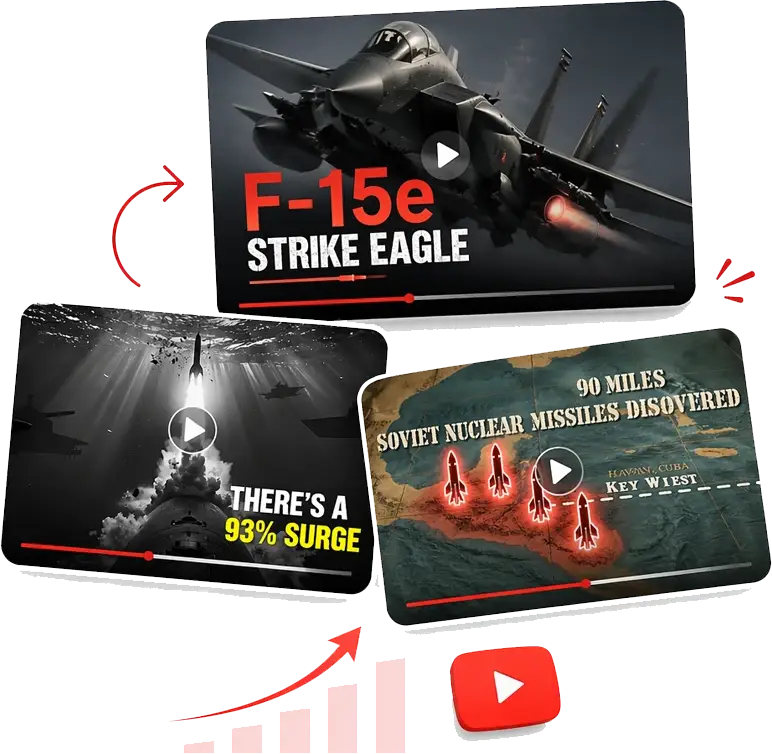
Faceless YouTube channels have become a business model now. But here’s the truth most blogs won’t tell you: almost every “faceless niche list” you see today is already overcrowded. Motivation clips, generic AI slideshows, Reddit voiceovers, and thousands of channels are fighting for the same attention. Yet, most of them never make it past a few thousand views.
In 2025, Forbes noted that faceless YouTube channels thrive as the platform rewards watch time and retention over personality. Niches with high search intent but limited quality content offer new creators a strong ranking advantage.
What actually works in 2026 is low competition, faceless YouTube niches where viewer demand is rising faster than content quality. These are niches people actively search for, advertisers pay well for, and creators avoid because they require research, structure, or consistency.
This guide breaks down actionable faceless channel ideas, real RPM ranges, Shorts, and long-form viability. Plus, you’ll also learn why certain niches stay profitable while others burn out fast.
Quick Summary
TL;DR: Low-competition faceless YouTube niches are thriving in 2026 because creators can target underserved topics with high search demand, strong RPMs, and low competition. Focusing on structured, research-backed, and retention-optimized content across both Shorts and long-form videos allows channels to rank faster and grow steadily. #tldr
- Core Components: Underserved Niches → Research-Driven Content → Retention & Watchtime → Shorts + Long-Form → Mobile-Optimized → Systemized Production
- Outcome: Scalable, monetizable faceless channels with consistent growth, minimal personal exposure, and optimized revenue potential in 2026.
How Do You Know If a Faceless YouTube Niche Is Low Competition?
A faceless niche isn’t “low competition” just because you see fewer channels talking about it. The real signal is imbalance, when people are actively searching for a topic, but there isn’t enough useful, well-made content to satisfy that demand.

A simple way to look at it is this:
Search demand must outweigh content supply.
When a topic receives consistent weekly searches but only a handful of videos actually answer the query properly, YouTube has a reason to push new uploads more quickly.
According to OutlierKit’s research, niches with a competition ratio above 4× (meaning search demand is four times higher than available content). It represents strong opportunities for ranking and early growth, giving newer creators a measurable edge before the niche fills up.
This is the opposite of generic faceless topics like motivation clips or broad AI tutorials. Those niches attract massive upload volume, meaning even good videos struggle to rank, retain viewers, or earn strong RPMs. Low competition niches reward precision, not volume.
Why These Niches Still Work in 2026
Some faceless YouTube niches don’t blow up overnight, and that’s exactly why they keep working in 2026. They stay profitable because most creators either underestimate them or quit too early. The reasons are:
| Factor | Explanation | Impact on Channel Success |
|---|---|---|
| High Research Requirement | Niches need accurate scripts or expert context, deterring low-effort creators | Less competition, higher ranking potential |
| Lack of Visible Creators | Few big channels in the niche mean the algorithm hasn’t “learned” how to recommend videos | Easier for new channels to gain visibility |
| High Advertiser Demand | Niche audiences are smaller but targeted, attracting better-paying ads | Higher RPMs and better monetization potential |
| Medium Entry Barriers | Seemingly complex topics become manageable with structured workflows and automation | Filters out casual creators, rewarding consistent, quality uploads |
Source: NexLev – Faceless YouTube Channel Profitable
Which Faceless Niches Are Already Saturated (And Why)?
Not all faceless YouTube niches are worth pursuing. Some are already flooded with creators and offer minimal opportunity for consistent growth. Channels in these saturated areas rely heavily on luck or viral YouTube trends rather than solid strategy, which makes long-term success difficult.
That’s why understanding which areas are already saturated is crucial before you pick a niche.
Here, take a look at the list of some saturated niches that you need to avoid for your Faceless YouTube channel:
| Saturated Niches | Why They’re Hard to Break Into |
|---|---|
| Generic AI tutorials | Tons of channels, little differentiation |
| Motivation quotes/compilations | Low RPM, easy content = crowded |
| Clickbait Shorts without depth | Shorts algorithm favors retention; shallow content doesn’t stick |
| Unoriginal user story voiceovers | Copyright & similar narratives everywhere |
Tip: Saturated niches make growth dependent on virality, not strategy. Avoid unless you have a unique content angle.
12 Low Competition Faceless YouTube Niches in 2026
These faceless YouTube niches are proven to attract consistent viewers while avoiding oversaturated markets. Each niche offers actionable ideas, strong monetization potential, and opportunities for both Shorts and long-form content.
1. Trading App Tutorials (Beginner How-To Guides)

Faceless channels focused on trading app tutorials are thriving because most creators focus on investing theory, not practical platform guidance. Step-by-step walkthroughs for apps like Robinhood, Webull, and Binance meet a growing demand from beginners who want actionable instructions.
These channels can use screen recordings with faceless voiceovers or AI narration, while Shorts can highlight tips like “Place your first trade in 60 seconds.” Longer videos allow complete app walkthroughs or feature explanations. With RPMs ranging from $5–$12, these niches are lucrative because advertisers pay more for finance-related content.
Example: Whiteboard Crypto, they explain crypto concepts with animations and faceless narration.
2. Meditative Urban Ambience & Field Recordings

Urban ambience and field recordings remain a strong evergreen niche because people continually seek content for sleep, focus, or stress relief. Channels can create loops of city rain, neon-lit streets, or serene urban parks with minimal production effort. Shorts work well as quick calming clips, while long-form videos can span 2–8 hours for watch time and monetization.
RPMs generally range $4–$8, slightly lower than finance but consistent due to high retention. Low competition persists because few creators explore hyper-specific sub-niches like “Tokyo neon rain sounds” or “urban garden ambience,”. Hence, leaving plenty of space for new channels to grow.
Example: Lofi Girl, a hugely popular soothing music/ambient livestream channel that thrives facelessly.
3. Vintage Music Archives & Cultural Music History

Faceless channels curating vintage music and cultural histories attract viewers searching for rare albums or genre backstories, from reggae to soul. Creators can use album visuals paired with narration to provide historical context, influence stories, and artist insights.
Shorts can share “3 facts about a legendary album,” while long-form videos dive deep into full album histories or cultural movements. With RPMs around $5–$10, this niche is profitable for educational and music-focused advertisers. Few creators currently blend archival content with storytelling, keeping competition low and offering new channels a real opportunity to rank for searches.
Example: Love Music is a Faceless music archive channel with curated vintage music playlists.
4. Remote Work & Digital Nomad Lifestyle

Faceless channels focusing on remote work or digital nomad life remain underexploited. Creators can share POV workspace tours, screen recordings of productivity tools, or day-in-the-life routines. Shorts can provide 30-second hacks like “3 productivity tips,” while long-form content explains workflows, software ecosystems, or tool comparisons.
With RPMs ranging $6–$14, advertisers value this niche due to professional audience targeting. Most lifestyle content is personality-driven, so faceless channels benefit from low competition and an audience hungry for structured, practical guidance.
Example: The Digital Nomad Guy shows remote work tips, travel & work insights (often POV/voice-over).
5. Historical Recipe Reconstructions

Historical cooking content combines culinary interest with education, making it a unique low-competition niche. Creators can reconstruct ancient or traditional recipes using slideshows, animation, or simple faceless narrations explaining context, ingredients, and preparation methods.
Shorts work for quick “60-second ancient recipes,” while long-form videos cover full historical feasts and cooking history. RPMs are $5–$9 due to cross-niche appeal (food + education). Few creators explore this combination, meaning channels that invest in research and storytelling can consistently rank. Fans of both history and food are highly engaged, making it ideal for faceless content in 2026.
Example: A channel named Tasting History with Max Miller focuses heavily on historical cooking. However, its host appears sometimes.
6. Guided Prayers & Devotional Content

Faceless channels producing guided prayers or devotional content enjoy steady search interest and strong monetization potential. Soothing voiceovers paired with minimal visuals or text can cover daily prayers, reflections, or meditation sessions. Shorts can provide quick daily devotion clips, while long-form videos offer complete prayer sessions or scripture walkthroughs.
RPMs range from $6 to $11 due to the engaged, long-watching audiences. Low competition exists because few creators consistently produce calm, faith-focused, faceless content at scale. Channels that maintain a schedule and quality can quickly build trust and subscriber loyalty, while advertisers pay well for religious and spiritual audiences.
Example: Devotion of Prayer, a channel with dedicated prayer and devotional content with text/visuals.
7. Traditional Games & Cultural Tutorials

Channels focusing on traditional or cultural games attract niche audiences ignored by mainstream gaming channels. Creators can explain rules, gameplay strategy, and cultural significance without showing faces. Shorts are ideal for quick strategy tips, while long-form YouTube content can dive into full game tutorials or tournaments.
RPMs typically range $5–$9 due to the unique content and engaged viewers. Few creators explore this niche, so new channels face minimal competition. Content can include regional board games, bead games, or traditional sports rules, combining entertainment and educational value for audiences seeking culturally-rich gaming content.
Example: ChessNetwork, Faceless chess tutorials focused on board play and strategy (no face required).
8. Psychology & Human Behavior Explained

Faceless channels that explain human behavior and psychology offer high engagement potential. Creators can use animation, text, and narration to break down cognitive biases, decision-making, or behavioral patterns. Shorts can explain small “mind hacks,” while long-form videos provide research-based insights into topics like memory, emotions, or mental shortcuts.
RPMs are $7–$13, reflecting advertisers’ willingness to pay for educational content with professional audiences. The niche remains underexploited because many channels produce superficial “fun facts” rather than deep, research-backed explanations. Thus, giving new creators a chance to produce high-quality, faceless content that ranks consistently.
Example: Psych2Go explains psychology and human behavior through animations and narration.
9. Productivity Tool Tutorials

Faceless channels teaching software like Notion, Obsidian, or ClickUp can attract a highly-targeted audience. Screen recordings with narrated instructions work for both Shorts (quick hacks) and long-form setup tutorials. RPMs range $6–$12 because productivity software attracts professional viewers and affiliate opportunities.
Competition is medium-low as many creators cover generic productivity advice, but few go deep into specific tool workflows. Channels that consistently provide actionable, clear tutorials with faceless narration can gain fast traction and retain viewers, especially since these topics appeal to both beginners and experienced users.
Example: Keep Productive tools channel showcase Faceless app tutorials and productivity tool walkthroughs.
10. Local Travel & Hidden Spots

Hyper-local travel content thrives when creators highlight underrated destinations, secret cafés, or hidden cultural spots. Faceless POV videos combined with narration or text overlays work well for both Shorts (quick top-3 lists) and long-form itineraries. RPMs range $4–$9, slightly lower than finance or professional niches but steady due to viewer retention.
Competition is low because most travel channels focus on popular tourist destinations. Creators who consistently produce content highlighting offbeat locations can quickly rank in search results and attract loyal viewers interested in unique travel insights.
Example: UNSEEN WONDERS | Hidden Places, Faceless Videos Showing Destinations Without On-Camera Hosts.
11. Tech Product Deep Dives (Faceless Reviews)

Faceless channels that review emerging gadgets or software products remain profitable. Creators can combine screen recordings, product visuals, and voiceover narration. YouTube Shorts can highlight standout features, while long-form videos break down complete product functionality or comparisons.
RPMs range $7–$15 due to advertiser interest in tech audiences. Competition is medium; mainstream devices are oversaturated, but niche tools or early-adopter gadgets remain underexplored. Channels that focus on detailed, research-backed analysis without showing a face can attract a professional, high-value audience and monetize consistently with affiliate links and ad revenue.
Example: Unbox Therapy shows a Hands-only unboxing and product review format (although the host appears, the content is an example of hands-focused).
12. Micro History & Obscure Facts

Faceless channels focusing on unusual historical events, obscure facts, or short storytelling can engage highly curious audiences. Animated videos with narration or text overlays work for both Shorts (“3 facts in 60 seconds”) and long-form content explaining deeper stories. RPMs range $5–$10, reflecting engagement from educational advertisers.
Competition is low because most history channels focus on broad, general topics, leaving micro-histories and niche storytelling underexplored. Channels that consistently produce accurate, entertaining content can attract strong watch time, high retention, and loyal subscribers, making this an ideal faceless niche for 2026.
Example: MostAmazingTop10 showing Faceless top facts, and obscure history lists.
Why Low Competition Faceless YouTube Niches Stay Under the Radar

The common thread among these niches is simple:
- They require real research, not recycled or low-effort content, which filters out most creators early
- Many rely on specific, intent-driven keywords that don’t attract mass-trend chasing channels
- Unlike generic clips or AI quotes, these topics offer practical or educational value that keeps viewers watching longer
Mainstream influencers rarely target them because growth depends on structure and consistency, not quick virality
Because of this, content supply stays low while demand keeps growing. Creators who focus on strategy instead of shortcuts can get more views, rank faster and build steady, monetizable channels.
Why Most Creators Fail to Execute Low Competition Niches
Low competition doesn’t mean low effort. Many creators underestimate the research required for niches like trading apps, psychology, or educational formats, which leads to weak scripts and poor retention. Others struggle with consistency, assuming fewer competitors means slower posting is acceptable.
Production also becomes a bottleneck, scripting, voiceovers, and editing take time, even with AI tools. When execution breaks down, growth stalls. But, ShortVids is here to help in this situation.
ShortVids help by handling scripting, editing, and content repurposing, allowing creators to stay consistent while focusing on strategy and niche positioning.
A strong example is how ShortVids partnered with Samuel Freeman’s Greek.speek, a channel built around psychology, societal norms, and superstition topics. ShortVids handled editing, motion graphics, and faceless storytelling so Samuel could post regularly and maintain depth without sacrificing quality. The result was increased engagement, higher retention, and a consistent posting rhythm that kept the audience returning for more.
By taking the production load off creators, ShortVids lets you focus on strategy and niche growth, a key advantage for faceless channels in 2026.
Your Takeaway
Faceless YouTube growth in 2026 favors strategy over trends. Channels win by targeting niches with clear demand, strong retention, and advertiser value, not recycled ideas. Start with one niche, commit to quality, and publish consistently across Shorts and long-form. If execution or time becomes the blocker, Contact ShortVids and we’ll handle scripting, editing, and repurposing content so you can scale faster. Stop planning and start publishing, your first 10 videos should be in motion today.
Frequently Asked Questions
Yes, channels that pick the right topics and optimize for search intent can earn $5k–$20k/month as ad income and more with affiliates.
No, you can use text-to-speech or hire voiceovers. What matters is clarity and timing.
With consistent uploads, some untapped niches (like trading app tutorials) can hit monetization in 2–4 months.
Absolutely, they help with subscriber growth and suggestion traffic but long-form drives higher RPM.
Many work globally; some like guided prayers or traditional games may perform even better in local languages.
Book a Call Today
- Fixed monthly plans starting at $999
- 24-hour turnaround time (or less) on all short-form edits
- 3-layer quality check system on every video
- No more chasing freelancers or managing editors
- Scale up to 50+ videos/month without hiring in-house
- Content team trained on platform trends, scroll-stopping hooks & storytelling
- Fully managed by professionals – you just upload & approve
- Response time: Under 1 hour (US & GCC time zones)
Cut your production costs, not your standards.